

Raleigh DWI Lawyer
A DWI arrest does not mean the case is already decided. John McWilliam can examine the stop, the testing, the arrest, and the State’s evidence to find where the case may be challenged.
Free Consultation
Please fill out this form for a FREE Consultation and we will get back to you shortly.
"*" indicates required fields
John McWilliam, PLLC
DWI Defense That Never Stops Fighting

When you are facing a DWI charge in North Carolina, the State still has to prove its case.
The traffic stop, roadside testing, officer observations, breath or blood evidence, and arrest all deserve a closer look. John McWilliam, PLLC has defended people charged with crimes in Wake County since 1993, building his practice around careful investigation, trial preparation, and a willingness to fight when the facts support it.
McWilliam does not assume the police report or chemical test tells the whole story. He looks for weaknesses in the evidence, problems with the investigation, and legal issues that may put the defense in a stronger position.
John McWilliam's Strategy for a Strong DWI Defense in Wake County
Every DWI case is different, but the approach starts in the same place: examine each part of the State's case and look closely at the evidence, procedure, and legal basis behind the charge.

Was the Traffic Stop Lawful?
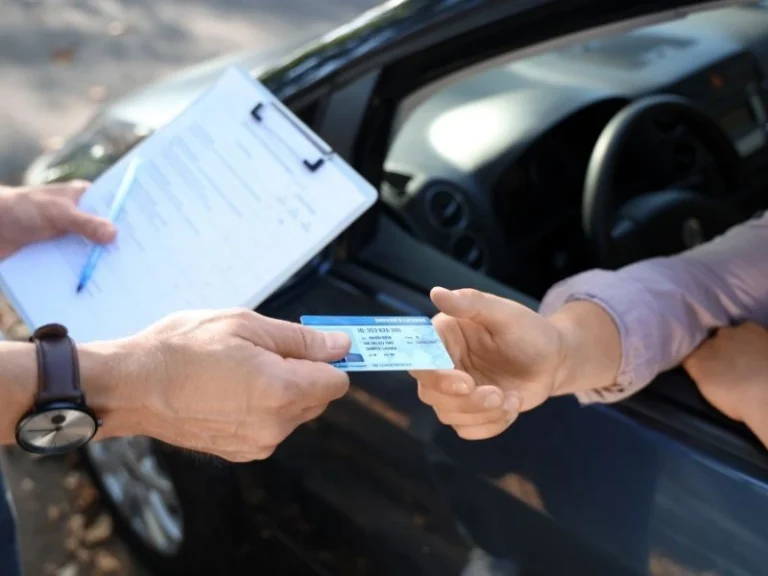
A DWI investigation usually begins with a traffic stop, and that stop must have a lawful basis.
McWilliam reviews what the officer claimed to observe before pulling you over and whether those facts actually justified the stop. If the case began at a DWI checkpoint, the way the checkpoint was planned and operated may also matter.
Problems with the stop can affect what happens to the evidence gathered afterward.
Did the Stop Go Beyond What the Law Allows?
A traffic stop cannot simply turn into an open-ended investigation.
The defense can examine how long you were detained, what happened during the encounter, and whether the officer had a lawful reason to expand the stop into a DWI investigation.
If the officer went beyond what the law allowed, that may create another issue for the State's case.

Did Police Have Probable Cause to Arrest You?
An officer still needs probable cause before making a DWI arrest.
McWilliam looks at the officer's observations, driving behavior, statements, roadside testing, and other facts used to justify the arrest.
If those facts do not add up to probable cause, that can become an important part of the defense.

Were the Field Sobriety Tests Reliable?
Roadside sobriety tests are not automatically proof of impairment.
Instructions, road conditions, footwear, balance, medical issues, officer technique, and scoring can all affect the results. McWilliam reviews how each test was instructed, demonstrated, and scored and whether standardized procedures were followed.
A poorly administered test may not carry the weight the State wants it to.
Can Breath or Blood Test Results Be Challenged?
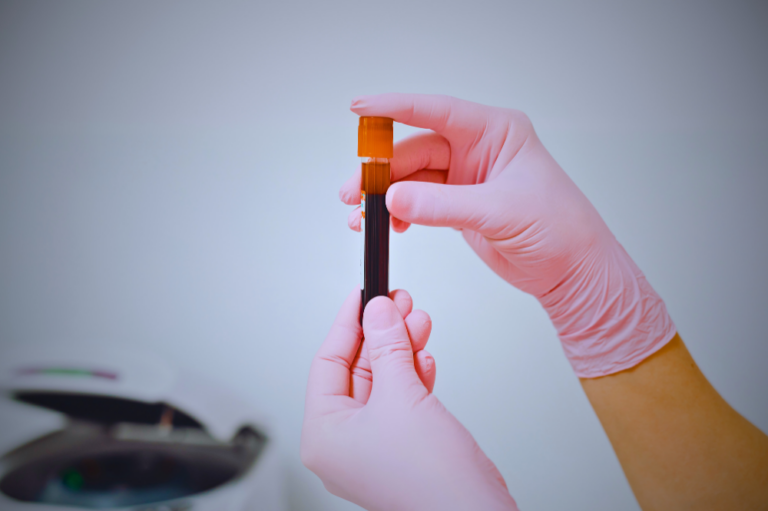
Chemical test results are only as useful as the procedures behind them.
McWilliam reviews how blood test evidence or breath evidence was collected, tested, documented, and handled. Calibration records, analyst qualifications, timing, storage, and chain of custody can all matter.
A number on a report should not automatically end the inquiry.

What Can Be Done About Your Driver’s License?
A DWI arrest can create a separate driver's license issue before the criminal case is finished.
McWilliam reviews why the license was revoked, whether required procedures were followed, and whether limited driving privileges or ignition interlock options may be available.
The license issue and the criminal case need to be looked at together, not treated as two unrelated problems.
Why Work With Raleigh DWI Lawyer John McWilliam?
McWilliam has spent decades defending criminal cases in Wake County. His approach is built around preparation, close review of the evidence, and a willingness to take the case to court when the facts and law support it.
What Can Affect the Direction of a North Carolina DWI Case?
The details of the case matter. Instead of focusing only on possible punishment, the defense looks at the facts that may affect how the charge is handled and what options may be available.
The State's Evidence
The first question is whether the State can prove impaired driving.
That may mean reviewing the officer's observations, driving pattern, roadside testing, chemical test results, and other evidence being used to support the charge.
Your Driver's License
A DWI arrest may trigger a separate license revocation before the criminal case is resolved.
The defense can review why the license was revoked, whether the required procedures were followed, and whether a limited driving privilege, ignition interlock, or another form of relief may be available.
Aggravating and Mitigating Facts
If a DWI case reaches sentencing after a conviction, North Carolina law considers grossly aggravating, aggravating, and mitigating factors.
Driving history, alcohol concentration, and the circumstances surrounding the incident can all affect how the case is handled and what arguments may be available.
What Can Be Done Before Court
There may be useful steps to take while the case is pending.
Preserving evidence, reviewing DMV issues, addressing driving privileges, and gathering information for the defense can help clarify the options available before important decisions are made.
Types of DWI Charges in North Carolina
DWI cases can arise in very different circumstances. The type of allegation may change the evidence involved, the license issues that need to be addressed, and how the defense should approach the case.
First Offense DWI
A first DWI charge still deserves a full review of the State’s case.
The reason for the stop, field sobriety tests, officer observations, breath or blood testing, and probable cause for arrest may all affect how the charge should be defended.
Second Offense DWI
A prior impaired-driving conviction can make the current case more complicated, but the new charge still has to be proven.
McWilliam can review the evidence supporting the current DWI as well as how the prior record may affect the available options.
Multiple DWI Offenses
Multiple prior impaired-driving convictions can create additional legal issues. Three or more qualifying impaired-driving convictions within the previous 10 years can lead to a habitual impaired-driving charge.
That makes it especially important to review both the current case and the prior convictions the State intends to rely on.
DWI With an Accident
An accident does not automatically establish that a driver was impaired or that impairment caused the crash.
The defense can examine how the collision happened, witness statements, physical evidence, and the State’s evidence of impairment separately.
DWI With Property Damage
Property damage can add another issue to a DWI case, but the facts surrounding the collision still matter.
The defense can review the cause of the accident, the evidence of impairment, and whether the State’s version of what happened is supported by the available evidence.
DUID (Driving Under the Influence of Drugs)
North Carolina’s impaired-driving law is not limited to alcohol.
Drug-based DWI cases may rely on blood testing, officer observations, statements, and other evidence about whether a substance impaired the driver’s ability to operate the vehicle.
Boating While Impaired
North Carolina separately prohibits boating while impaired.
The investigation, testing, officer observations, and other evidence surrounding the charge can still be reviewed as part of the defense.
Aggravated or High-BAC DWI
An alcohol concentration of 0.15 or more can affect how a DWI case is handled and is an aggravating factor under North Carolina’s DWI sentencing law.
The chemical test itself may still deserve a closer look for problems involving testing procedures, timing, documentation, or other issues.
Underage DWI (Zero Tolerance)
North Carolina has separate alcohol-related driving rules for drivers under 21.
The traffic stop, testing method, officer observations, and evidence of alcohol consumption should still be reviewed carefully before decisions are made about the case.
Commercial Driver DWI
A DWI allegation can create additional concerns for someone who depends on a commercial driver’s license for work.
The defense should consider both the criminal case and any separate licensing issues that may affect the driver’s ability to continue working.
Start Building Your DWI Defense With John McWilliam, PLLC
Being arrested for DWI does not mean every part of the State’s case is correct.
The stop may raise questions. The field sobriety tests may not have been performed properly. A breath or blood result may deserve a closer look. The officer’s report may not match video, witness accounts, or other evidence.
John McWilliam has defended people charged with crimes in Wake County since 1993. His approach begins with finding out what happened, what the State can actually prove, and where the defense can push back.
Call 919-772-4000 or complete the contact form to schedule a free consultation with John McWilliam, PLLC.