

Getting pulled over and charged with a DWI in Raleigh can feel like the ground…
An arrest for driving under the influence can be one of the most stressful experiences a person will ever face. In North Carolina, a DUI conviction can result in driver's license suspension, hefty fines, increased insurance costs, mandatory treatment programs, and even jail time. Whether it’s your first offense or you have prior convictions, understanding North Carolina DUI laws can make all the difference when it comes to protecting your rights and your future.
The good news is that an arrest is not a conviction. Every DUI case consists of several legal and factual issues that can be challenged. An experienced NC DUI lawyer will carefully examine every aspect of the state's case and pursue every available avenue of DUI defense.
In this guide, we'll discuss how North Carolina handles DUI charges, potential defense strategies, license implications, sentencing guidelines, and how drivers may be able to regain driving privileges before their case reaches trial.
Quick Summary
North Carolina DWI at a Glance
- The offense is legally called DWI in North Carolina.
- The standard BAC limit is 0.08%.
- A license revocation may begin before the case reaches court.
- Breath tests, field sobriety tests, and the traffic stop itself may be challenged.
- Sentencing ranges from Level Five to Aggravated Level One.
Table of Contents
Understanding DUI Charges in North Carolina
In North Carolina, the legal offense commonly referred to as DUI is officially called Driving While Impaired (DWI).

Under North Carolina law, a person may be charged with DWI if they:
- Operate a vehicle while under the influence of alcohol or drugs.
- Have a blood alcohol concentration (BAC) of 0.08% or higher.
- Are impaired by prescription medications, illegal drugs, or a combination of substances.
- Have any amount of a Schedule I controlled substance in their system.
For commercial drivers, the legal blood alcohol limit is 0.04%. For drivers under the age of 21, North Carolina follows a strict zero-tolerance policy for alcohol consumption and driving.
Importantly, prosecutors do not necessarily need a BAC reading above the legal blood alcohol limit to obtain a conviction. They may attempt to prove impairment through officer observations, field sobriety tests, witness statements, driving behavior, and other evidence.
What Happens After a DWI Arrest?
A typical DWI case begins with a traffic stop. An officer may initiate the stop due to alleged traffic violations, speeding, reckless driving, equipment violations, or suspicion of impaired driving. Once the stop occurs, law enforcement will begin gathering evidence to determine whether the driver may be under the influence of alcohol or drugs.
Observing Physical Signs of Impairment
One of the first things an officer will do is observe the driver’s appearance, behavior, and overall condition. Officers are trained to look for signs that they believe may indicate impairment, such as bloodshot eyes, slurred speech, the odor of alcohol, flushed skin, unsteady movements, or difficulty responding to questions. These observations are often documented in the officer’s report and may later be used as evidence in court.
Asking Questions About Alcohol Consumption
During the stop, an officer will typically ask questions about where the driver has been, whether they have consumed alcohol, and how much they have had to drink. The officer may also ask questions designed to assess the driver’s alertness and cognitive abilities. While these conversations may seem casual, the responses can become part of the evidence used to support DWI charges.
Conducting Field Sobriety Tests
If the officer suspects impairment, they may request that the driver perform a series of field sobriety tests. Common examples include the Walk-and-Turn Test, the One-Leg Stand Test, and the Horizontal Gaze Nystagmus Test. These exercises are intended to evaluate balance, coordination, and the ability to follow instructions.
Factors such as age, injuries, medical conditions, fatigue, nervousness, or poor road conditions can sometimes affect a person’s performance regardless of whether they are impaired.
Requesting a Preliminary Breath Test
An officer may also ask the driver to take a preliminary breath test using a portable device at the roadside. This test provides an estimate of a driver’s blood alcohol concentration and may help the officer decide whether to make an arrest. While the results can influence the officer’s decision-making, roadside breath tests are generally less sophisticated than evidentiary tests conducted later at a police station or testing facility.
Obtaining Chemical Testing Through Breath or Blood Analysis
Following an arrest, law enforcement will typically seek a more formal chemical test to measure alcohol concentration or determine whether drugs are present in the driver’s system. Breath tests are commonly administered using approved testing equipment, while blood tests may be requested in certain situations, particularly when drug impairment is suspected. The results of these tests often become a central piece of evidence in a DWI case, making the accuracy of testing procedures and compliance with legal requirements important aspects of many DWI defense strategies.
If probable cause exists, the driver may be arrested and formally charged with DWI.
The Importance of the Blood Alcohol Limit
Many people assume that a BAC reading automatically determines guilt. In reality, BAC evidence is only one piece of the state's case.
The legal blood alcohol limit for most drivers in North Carolina is 0.08%, but testing devices are not infallible. Breath testing equipment must be properly calibrated, maintained, and operated according to strict regulations.
Several factors can affect BAC test results, including:
- Medical conditions
- Improper calibration
- Operator error
- Mouth alcohol contamination
- Certain medications
- Timing of the test
- Improper blood sample handling
An effective DUI defense often involves examining whether the BAC results are scientifically reliable and legally admissible.
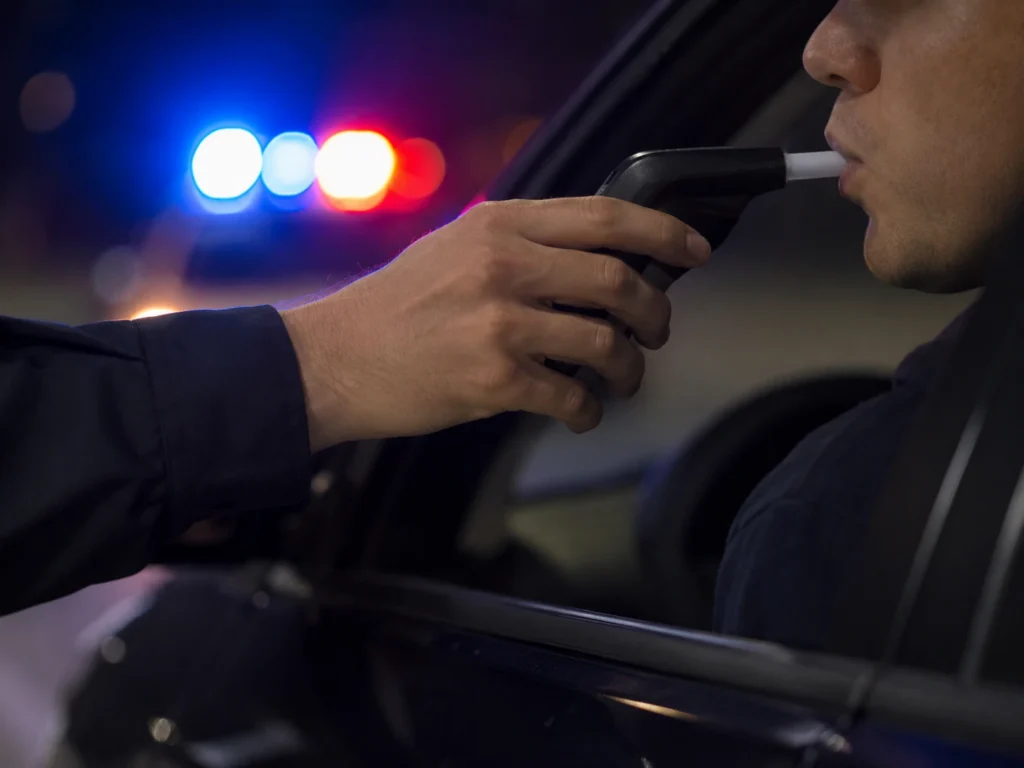
DUI Defense: Challenging Every Aspect of the Case
One of the biggest mistakes individuals make is assuming that a DWI arrest means there is no defense available. In reality, successful DUI defense often involves challenging multiple components of the prosecution's case.
An experienced NC DUI lawyer evaluates every detail to determine whether constitutional violations, procedural errors, or weaknesses in the evidence exist.
Challenging the Initial Traffic Stop
The Fourth Amendment protects citizens from unreasonable searches and seizures.
Before pulling a vehicle over, law enforcement generally must have reasonable suspicion that a traffic violation or criminal offense occurred.
Potential defenses include:
- Lack of reasonable suspicion
- Mistaken observations
- Unlawful checkpoints
- Constitutional violations during the stop
If the stop itself was unlawful, critical evidence may be suppressed.
Challenging Probable Cause for Arrest
Even if the stop was valid, officers must establish probable cause before making an arrest.
A defense attorney may examine whether:
- The officer properly interpreted observations
- Alternative explanations existed for alleged impairment
- The arrest occurred prematurely
- Physical symptoms were unrelated to alcohol consumption
Without sufficient probable cause, the arrest may be vulnerable to challenge.
Attacking Field Sobriety Tests
Field sobriety tests are often portrayed as highly reliable indicators of impairment. However, these tests have significant limitations.
Performance can be affected by:
- Age
- Medical conditions
- Injuries
- Fatigue
- Anxiety
- Weather conditions
- Uneven surfaces
Defense attorneys frequently scrutinize whether officers administered these field sobriety tests according to established protocols.
Challenging Breath Test Results
Breath testing devices require strict compliance with state regulations.
Potential issues include:
- Calibration errors
- Maintenance failures
- Observation period violations
- Operator mistakes
- Equipment malfunctions
Even minor procedural deviations can affect the reliability of breath test evidence.
Challenging Blood Test Evidence
Blood testing is often viewed as the "gold standard," but it is not immune from error.
Defense attorneys may investigate:
- Chain-of-custody issues
- Laboratory mistakes
- Improper sample storage
- Contamination
- Delays in testing
The state must establish that testing procedures were properly followed from collection through analysis.
Examining Officer Conduct
Body camera footage, dash camera recordings, dispatch logs, and police reports frequently reveal inconsistencies.
A DUI defense attorney may identify:
- Contradictory statements
- Improper procedures
- Exaggerated observations
- Missing evidence
- Violations of departmental policies
Every piece of evidence must be carefully reviewed.
Exploring Alternative Explanations
Many signs commonly associated with intoxication can have innocent explanations.
For example:
- Red eyes may result from allergies or fatigue.
- Slurred speech may be caused by medical conditions.
- Poor balance may stem from injuries or neurological issues.
- Confusion may result from stress or anxiety.
An effective DUI defense often involves presenting alternative explanations for alleged indicators of impairment.
Driver's License Consequences Following a DWI Arrest
One of the most immediate concerns after a DWI arrest involves driving privileges, and license consequences can begin before they ever appear in court.
Civil License Revocation
If a chemical test indicates a BAC of 0.08% or greater, North Carolina generally imposes an immediate civil revocation. This civil suspension is separate from any criminal penalties that may ultimately result from a conviction.
Refusal Revocation
North Carolina's implied consent law requires drivers to submit to chemical testing under certain circumstances. Refusing a chemical test can trigger a separate license revocation and may also be introduced as evidence in court.
How Can You Get Your License Back Before Trial?
For many people, losing driving privileges creates immediate hardships. Individuals may need to commute to work, attend medical appointments, transport children, or fulfill other daily responsibilities.
Fortunately, North Carolina law provides potential options for obtaining limited driving privileges before the criminal case is resolved.
Limited Driving Privileges
In certain circumstances, drivers may petition the court for a limited driving privilege. If granted, this privilege may allow driving for purposes such as employment, education, medical treatment, household maintenance, and community service obligations
Eligibility depends on several factors, including the driver's record and the circumstances surrounding the arrest.
Contesting the Revocation
In some situations, the validity of the revocation itself may be challenged. An NC DUI lawyer can evaluate whether procedural errors or legal deficiencies provide grounds for relief.
Because these matters are time-sensitive, its best to seek legal guidance as quickly as possible after an arrest.
North Carolina DWI Sentencing Guidelines
North Carolina has one of the most structured and complex DWI sentencing systems in the country. Unlike many criminal offenses that are sentenced based primarily on a defendant's criminal history, DWI sentencing focuses heavily on the specific facts and circumstances surrounding the offense.
When determining an appropriate punishment, the court considers a variety of grossly aggravating factors, aggravating factors, and mitigating factors. Grossly aggravating factors carry the most weight and can significantly increase the severity of a sentence.
| DWI Sentencing Level | When It Applies | Possible Jail Sentence | Maximum Fine |
|---|---|---|---|
| Aggravated Level One | The court finds three or more grossly aggravating factors. | 12 to 36 months | Up to $10,000 |
| Level One | The protected-passenger grossly aggravating factor applies, or the court finds two other grossly aggravating factors. | 30 days to 24 months | Up to $4,000 |
| Level Two | The court finds one grossly aggravating factor, other than the protected-passenger factor. | 7 days to 12 months | Up to $2,000 |
| Level Three | No grossly aggravating factors are found, and aggravating factors substantially outweigh mitigating factors. | 72 hours to 6 months | Up to $1,000 |
| Level Four | No grossly aggravating factors are found, and the aggravating and mitigating factors are balanced, or neither is found. | 48 hours to 120 days | Up to $500 |
| Level Five | No grossly aggravating factors are found, and mitigating factors substantially outweigh aggravating factors. | 24 hours to 60 days | Up to $200 |
Sentencing depends on the facts of the case and the factors found by the court. Some sentences may be suspended when the statutory conditions are satisfied.
Aggravated Level One DWI
Aggravated Level One is the most severe sentencing category available for most DWI offenses in North Carolina. This level is generally reserved for cases involving multiple grossly aggravating factors, such as repeat offenders or situations involving particularly dangerous conduct.
A person convicted at Aggravated Level One may face:
- Up to three years of incarceration
- Fines that can reach several thousand dollars
- Extended periods of supervised probation
- Mandatory substance abuse assessments and treatment
- Continuous alcohol monitoring requirements
- Restrictions on driving privileges
In many cases, the court may impose special conditions designed to protect public safety and reduce the likelihood of future offenses. These conditions can significantly impact an individual's daily life long after the criminal case is resolved.
Level One DWI
Level One is also considered a very serious DWI conviction and often applies when significant aggravating factors are present. While it is one step below Aggravated Level One, the penalties remain substantial and can have lasting consequences.
Potential penalties for a Level One DWI include:
- Significant jail time
- Fines that may reach several thousand dollars
- Supervised probation
- Mandatory alcohol or substance abuse treatment programs
- Community service requirements
- Installation of an ignition interlock device in some circumstances
Individuals convicted at this level often face extensive court supervision and strict compliance requirements. Failure to comply with probation conditions can result in additional penalties or incarceration.
Level Two DWI
A Level Two sentence generally applies when aggravating factors are present but do not justify placement into Level One or Aggravated Level One. While the penalties are somewhat less severe, a Level Two conviction should not be taken lightly.
Possible consequences include:
- Jail sentences that may range from several days to several months
- Court-imposed fines
- Probation supervision
- Alcohol education or treatment programs
- Community service obligations
Many individuals convicted at Level Two are required to complete substance abuse assessments and comply with treatment recommendations as a condition of probation. Courts often view treatment and rehabilitation as important components of preventing future impaired driving offenses.
Level Three DWI
Level Three is often imposed when the court finds a mix of aggravating and mitigating factors or when the circumstances of the offense are less severe than higher-level DWI cases.
Potential penalties include:
- A period of incarceration
- Probation
- Community service
- Court costs and fines
- Substance abuse education requirements
Although Level Three is considered less severe than Levels One and Two, a conviction can still create substantial financial burdens and long-term consequences. Drivers may also face license restrictions, increased insurance premiums, and difficulties in professional or personal matters.
Level Four DWI
Level Four is commonly associated with first-time offenders who have few aggravating factors and may have several mitigating factors working in their favor. While the penalties are generally less severe than higher sentencing levels, a conviction still carries meaningful consequences.
Potential penalties may include:
- Short periods of incarceration
- Suspended sentences with probation
- Community service
- Monetary fines
- Alcohol assessment and treatment requirements
In many cases, judges have flexibility in structuring portions of the sentence, particularly when a defendant demonstrates a willingness to comply with treatment recommendations and court orders.
Level Five DWI
Level Five is generally the least severe sentencing category for a DWI conviction in North Carolina. It is often reserved for cases involving minimal aggravating circumstances.
Potential consequences may include:
- A relatively short jail sentence, which may be suspended
- Probation
- Community service requirements
- Fines and court costs
- Substance abuse assessments
While Level Five represents the lowest sentencing level, it is still a criminal conviction. Even a first-offense DWI can have significant effects on a person's finances, employment opportunities, and driving privileges.
How Aggravating and Mitigating Factors Affect Sentencing
The final sentencing level is heavily influenced by factors unique to each case. Aggravating factors may push a case into a higher punishment level, while mitigating factors may support a less severe sentence.
Common aggravating factors include:
- A high blood alcohol concentration
- Reckless or dangerous driving
- Causing an accident
- Driving with a revoked license
- Prior traffic offenses
- Especially poor driving behavior before the arrest
Common mitigating factors may include:
- A clean driving record
- Safe and lawful driving at the time of the stop aside from the alleged impairment
- Voluntary participation in treatment programs
- Slight impairment compared to other DWI cases
- Positive personal and professional background
Because sentencing is highly fact-specific, the outcome of a DWI case often depends on the ability of a defense attorney to present favorable evidence and challenge the state's allegations.
Long-Term Consequences of a DWI Conviction
Regardless of the sentencing level, a DWI conviction can create consequences that extend far beyond fines and jail time. Many individuals experience increased insurance premiums, driver's license restrictions, employment challenges, and difficulties obtaining or maintaining professional licenses.
For some professionals, including commercial drivers, healthcare workers, teachers, military personnel, and licensed professionals, a DWI conviction may have career implications that last for years. These collateral consequences are one of the primary reasons many individuals choose to aggressively fight DWI charges and explore every available defense strategy before accepting a plea or conviction.
Why Hiring an Experienced NC DUI Lawyer Matters
DWI cases are far more complex than many people realize. What may seem like a straightforward arrest often involves complicated legal procedures, scientific evidence, constitutional protections, and technical regulations that can significantly impact the outcome of a case. An experienced NC DUI lawyer understands how to identify weaknesses in the prosecution's evidence and build a comprehensive defense strategy tailored to the facts of the case.
Analyzing Chemical Testing Evidence
Chemical test results often play a central role in DWI prosecutions, but they are not automatically accurate or beyond challenge. Breath and blood testing procedures must comply with strict legal and scientific standards. A skilled attorney will carefully review maintenance records, calibration logs, testing protocols, laboratory procedures, and chain-of-custody documentation to determine whether the results are reliable.
Even small errors in testing procedures can raise questions about the accuracy of a reported blood alcohol concentration. In some cases, challenging chemical evidence can significantly weaken the prosecution's case or lead to the exclusion of important evidence altogether.
Challenging Constitutional Violations
Every person accused of a crime is protected by constitutional rights. Law enforcement officers must follow specific legal requirements when conducting traffic stops, searches, seizures, arrests, and interrogations.
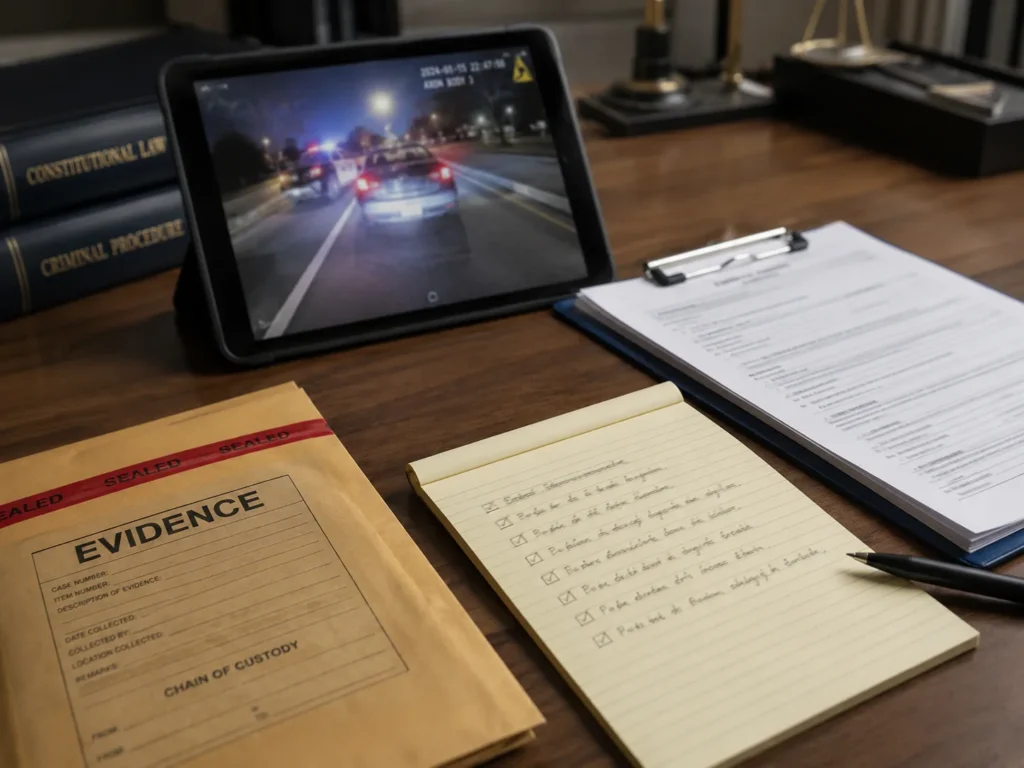
An experienced NC DUI lawyer will examine whether:
- The officer had reasonable suspicion to initiate the traffic stop.
- Probable cause existed for the arrest.
- The driver's constitutional rights were respected throughout the investigation.
- Evidence was obtained lawfully.
If a violation occurred, the court may suppress certain evidence, making it more difficult for prosecutors to prove their case. In some situations, constitutional challenges can result in reduced charges or even case dismissal.
Examining Officer Conduct
The arresting officer's actions can have a significant impact on the strength of a DWI case. Police reports often provide only one version of events, which is why defense attorneys frequently review additional evidence such as body camera footage, dash camera recordings, dispatch communications, and witness statements.
A thorough review may reveal inconsistencies between the officer's report and what actually occurred during the stop. It can also uncover procedural mistakes, inaccurate observations, or failures to follow department policies and state regulations. Identifying these issues can create opportunities to challenge the prosecution's narrative and strengthen the defense.
Cross-Examining Witnesses
Successful DWI defense often requires effective cross-examination of the state's witnesses. This may include police officers, forensic analysts, laboratory personnel, and other individuals involved in the investigation.
Strong cross-examination can significantly undermine the credibility of key prosecution witnesses and create reasonable doubt regarding the allegations.
Negotiating Favorable Outcomes
Not every DWI case proceeds to trial. In many situations, an experienced attorney can negotiate with prosecutors to pursue a more favorable resolution based on the strengths and weaknesses of the evidence.
Depending on the circumstances, negotiations may focus on:
- Reduced penalties
- Alternative sentencing options
- Treatment-based resolutions
- Limited driving privileges
- Favorable plea agreements when appropriate

An attorney's familiarity with local courts, prosecutors, and sentencing practices can be valuable when exploring potential resolutions that minimize the impact of a DWI charge.
Pursuing Dismissal Opportunities
One of the primary goals in any DWI case is determining whether legal grounds exist for dismissal. While not every case will qualify for dismissal, experienced defense attorneys are trained to identify opportunities that may not be obvious to someone unfamiliar with North Carolina DWI law.
By carefully investigating every aspect of the case, a lawyer can determine whether the prosecution has met its burden of proof and whether dismissal may be possible.
Protecting Driving Privileges
For many individuals, maintaining the ability to drive is one of the most immediate concerns after a DWI arrest. Losing driving privileges can affect employment, family responsibilities, medical appointments, and everyday life.
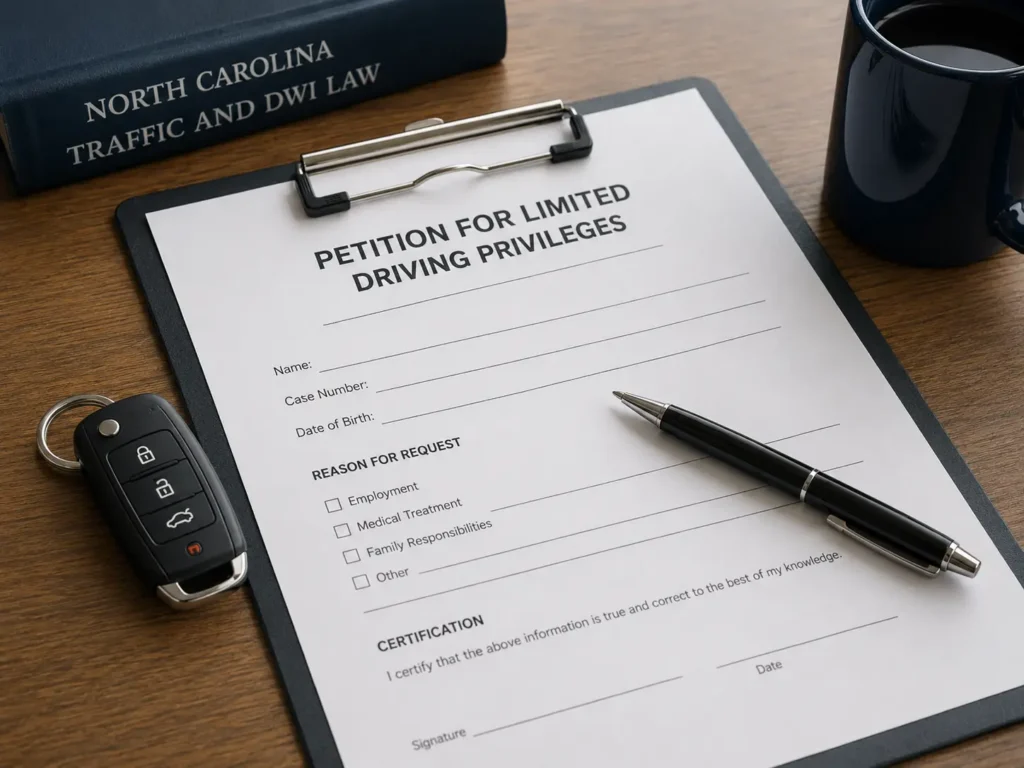
An experienced NC DUI lawyer can help clients understand available options for restoring or preserving driving privileges, including:
- Petitioning for limited driving privileges
- Addressing civil license revocations
- Challenging improper suspensions
- Ensuring compliance with court requirements
- Navigating ignition interlock requirements when applicable
Because deadlines and eligibility requirements often apply, taking prompt action can be critical to minimizing disruptions caused by a license suspension.
Building a Comprehensive Defense Strategy
Perhaps most importantly, an experienced NC DUI lawyer does not focus on just one aspect of the case. Effective DUI defense involves examining the entire investigation from start to finish. Every piece of evidence, every police action, every witness statement, and every testing procedure must be scrutinized for potential weaknesses.
By fighting every aspect of the case and exploring every avenue the law provides, a defense attorney can work to protect a client's rights, driving privileges, reputation, and future. Even when the evidence appears strong, a thorough legal review may uncover opportunities that can significantly improve the outcome of a DWI case.
Frequently Asked Questions
What is the legal blood alcohol limit in North Carolina?
For most drivers, the legal blood alcohol limit is 0.08%. Commercial drivers are subject to a 0.04% limit, and drivers under age 21 face strict alcohol restrictions.
Can I be convicted if my BAC was below 0.08%?
Yes. Prosecutors may attempt to prove impairment through observations, field sobriety tests, driving behavior, and other evidence even if your BAC is below the legal limit.
Will I lose my license immediately after a DWI arrest?
Possibly. Certain BAC results and test refusals can trigger immediate license consequences before your criminal case is resolved.
Can I drive before my DWI case goes to trial?
Many drivers may qualify for a limited driving privilege that allows travel for work, medical appointments, and other approved purposes. Eligibility depends on individual circumstances.
Is it worth fighting DUI charges?
Absolutely. Every DWI case contains facts and evidence that should be thoroughly reviewed. A strong DUI defense may reveal constitutional issues, testing errors, procedural mistakes, or weaknesses in the prosecution's case.
Speak with an NC DUI Lawyer About Your Defense Options
If you have been arrested for DWI, time is critical. Evidence can disappear, deadlines may apply to license restoration efforts, and early intervention often creates the strongest opportunities for defense.
An experienced NC DUI lawyer can evaluate the facts of your case, challenge the state's evidence, protect your driving privileges, and pursue every avenue available under North Carolina law. Whether the issue involves the traffic stop, chemical testing, field sobriety testing, or sentencing exposure, an aggressive defense strategy can make a substantial difference in the outcome of your case.
John McWilliam, PLLC has been working DUI cases for over 30 years—contact our office today to learn more about expert DUI defense in North Carolina.